Preparing for Challenge Roth: Lessons from the Course 🇩🇪
There’s something special about racing in Roth. The energy, the crowds, the speed of the course—it’s one of the most iconic long-distance triathlons in the world. But what makes a great race day in Roth isn’t just fitness—it’s preparation.
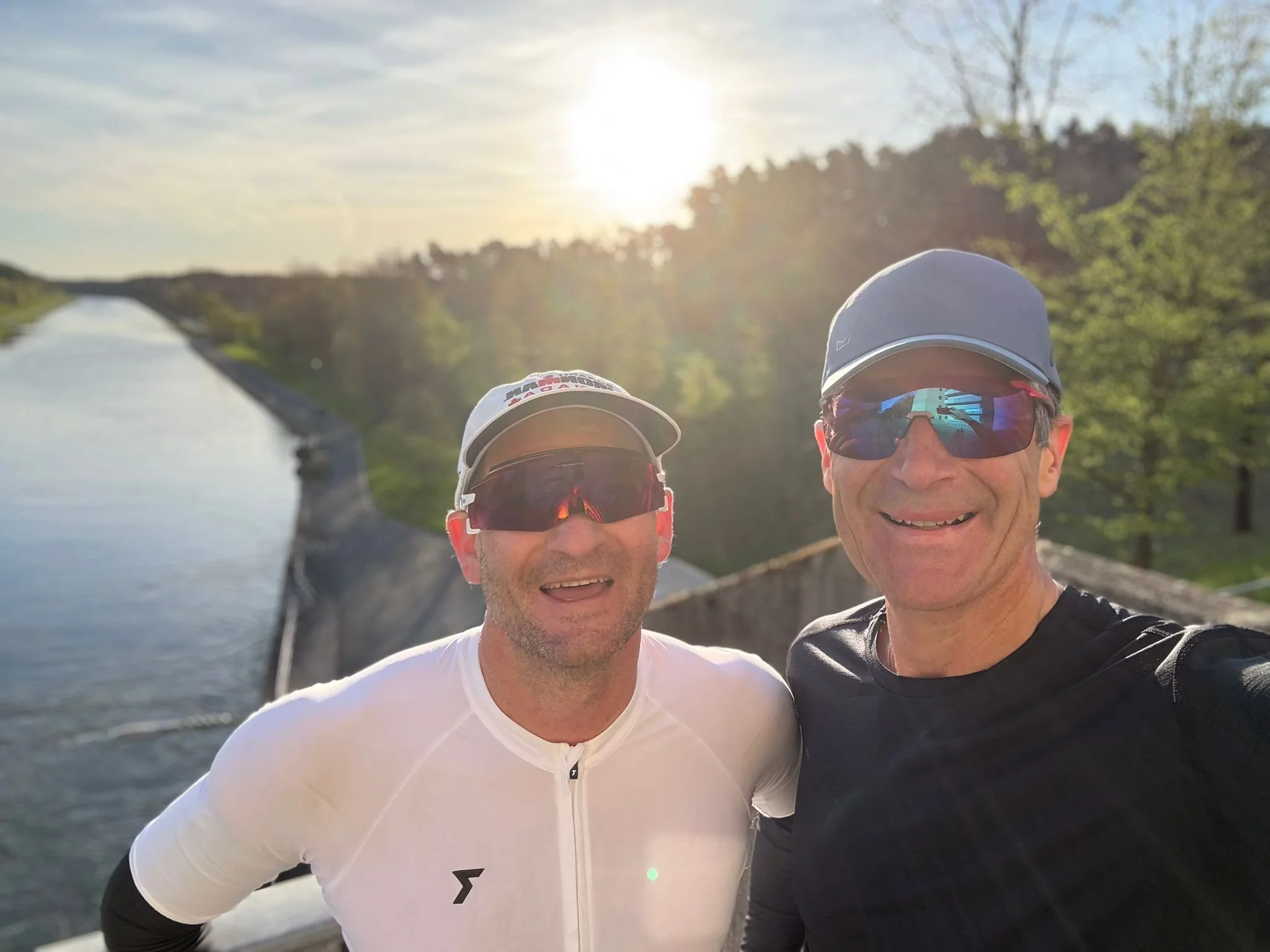
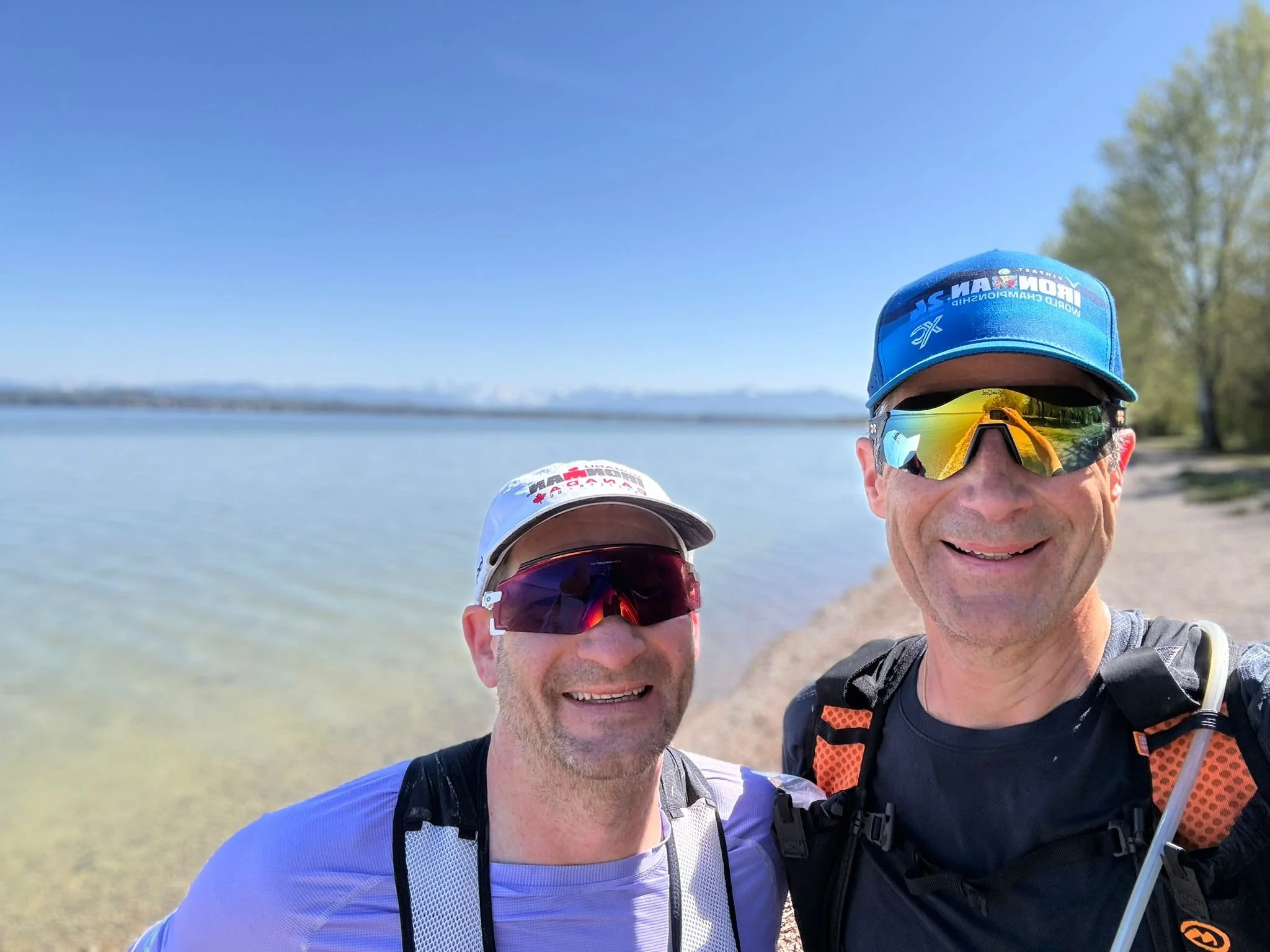
This year, JP Poitras is taking on the challenge, and his recent training camp on the course offers a great window into what smart preparation actually looks like.
Train the Course, Not Just the Distance
Roth is fast but it’s not easy.
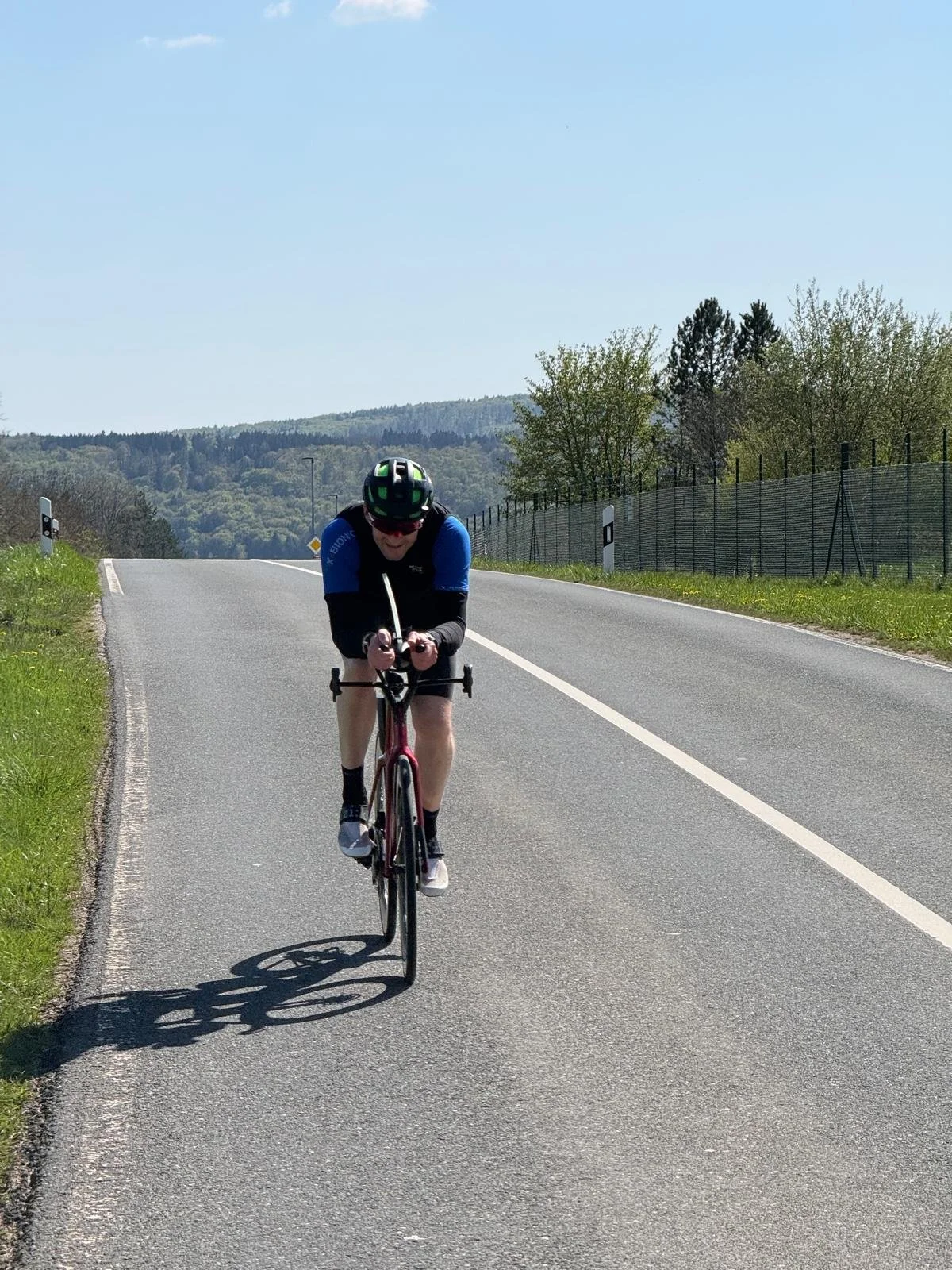
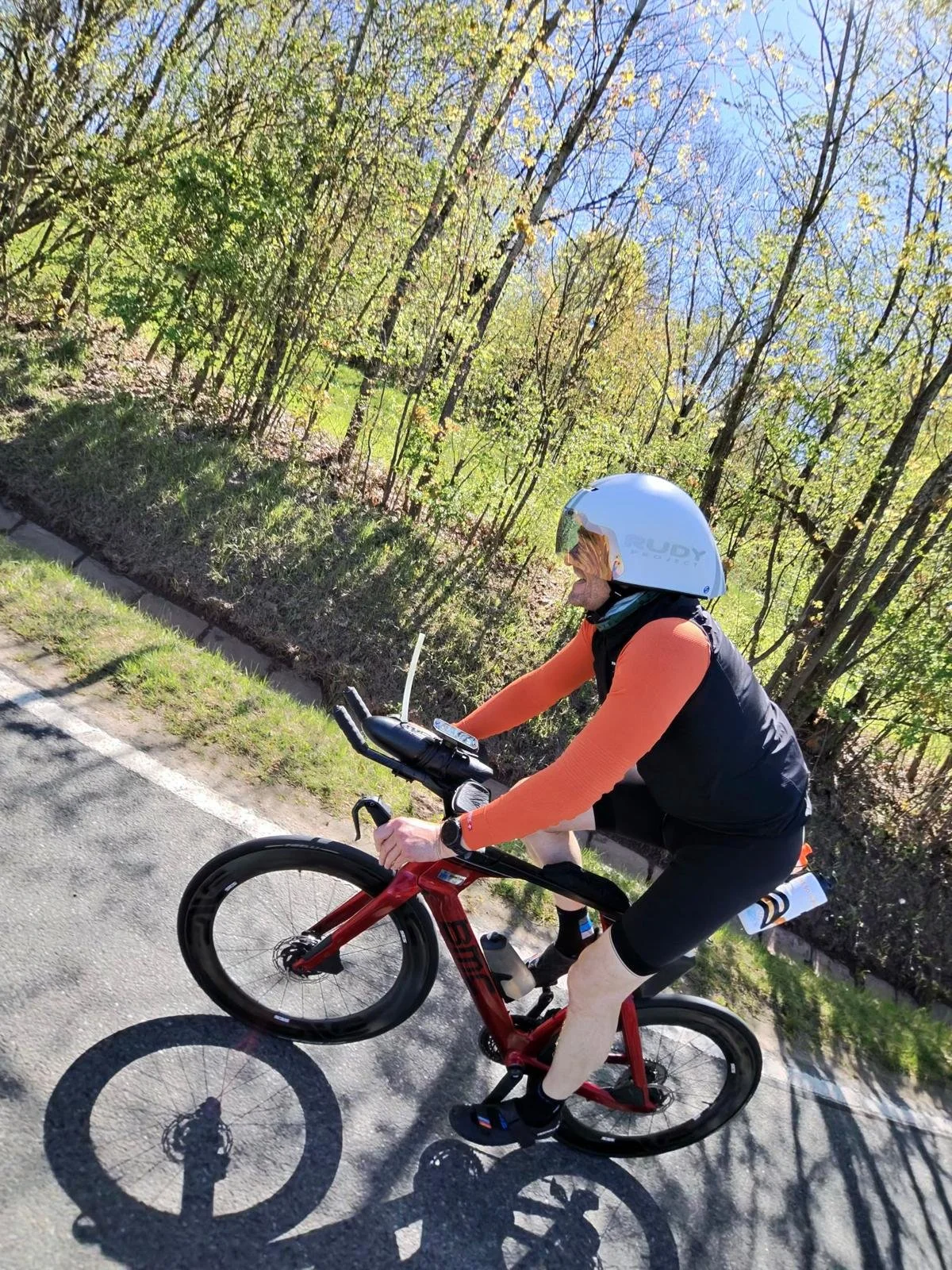
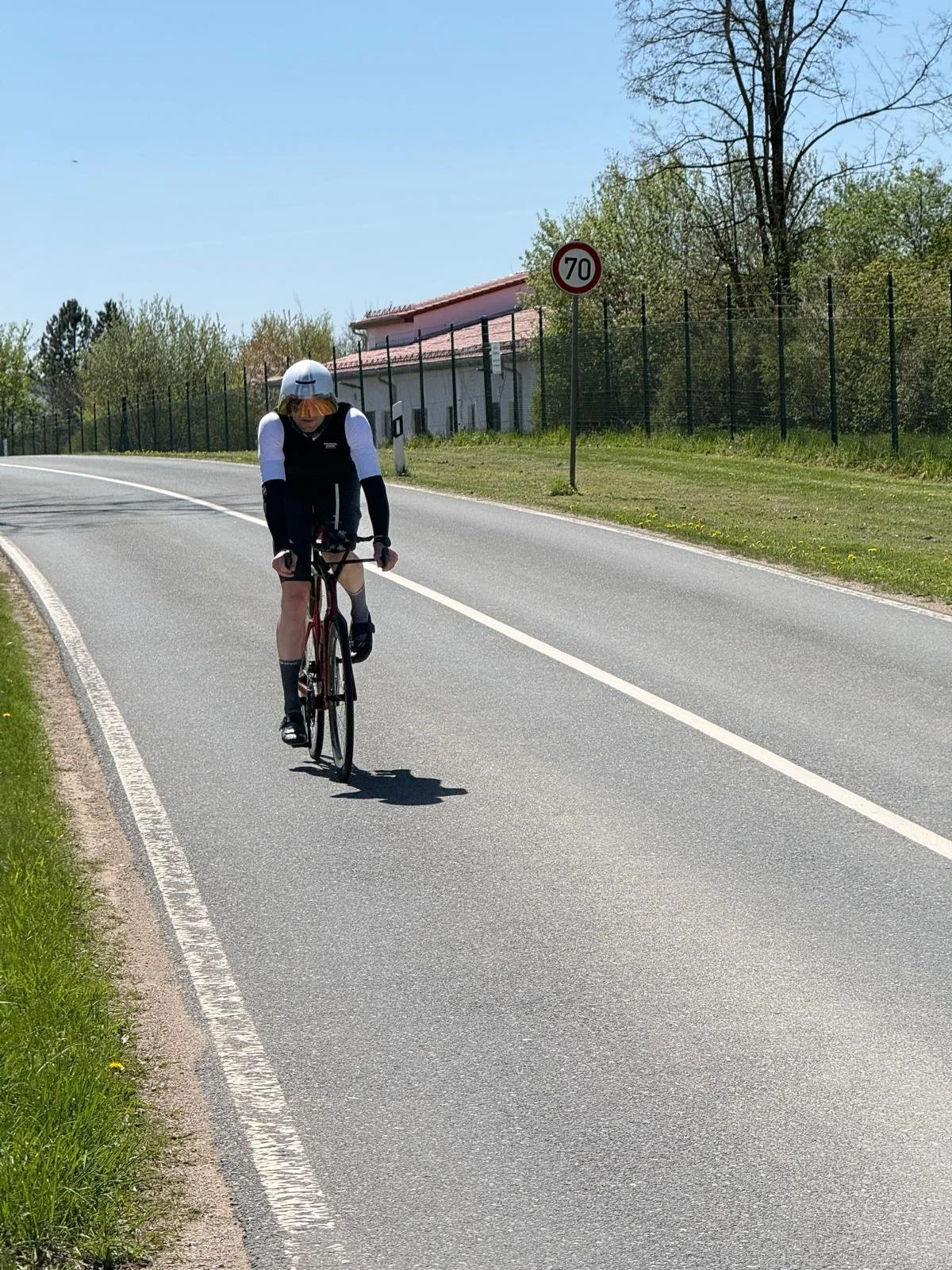
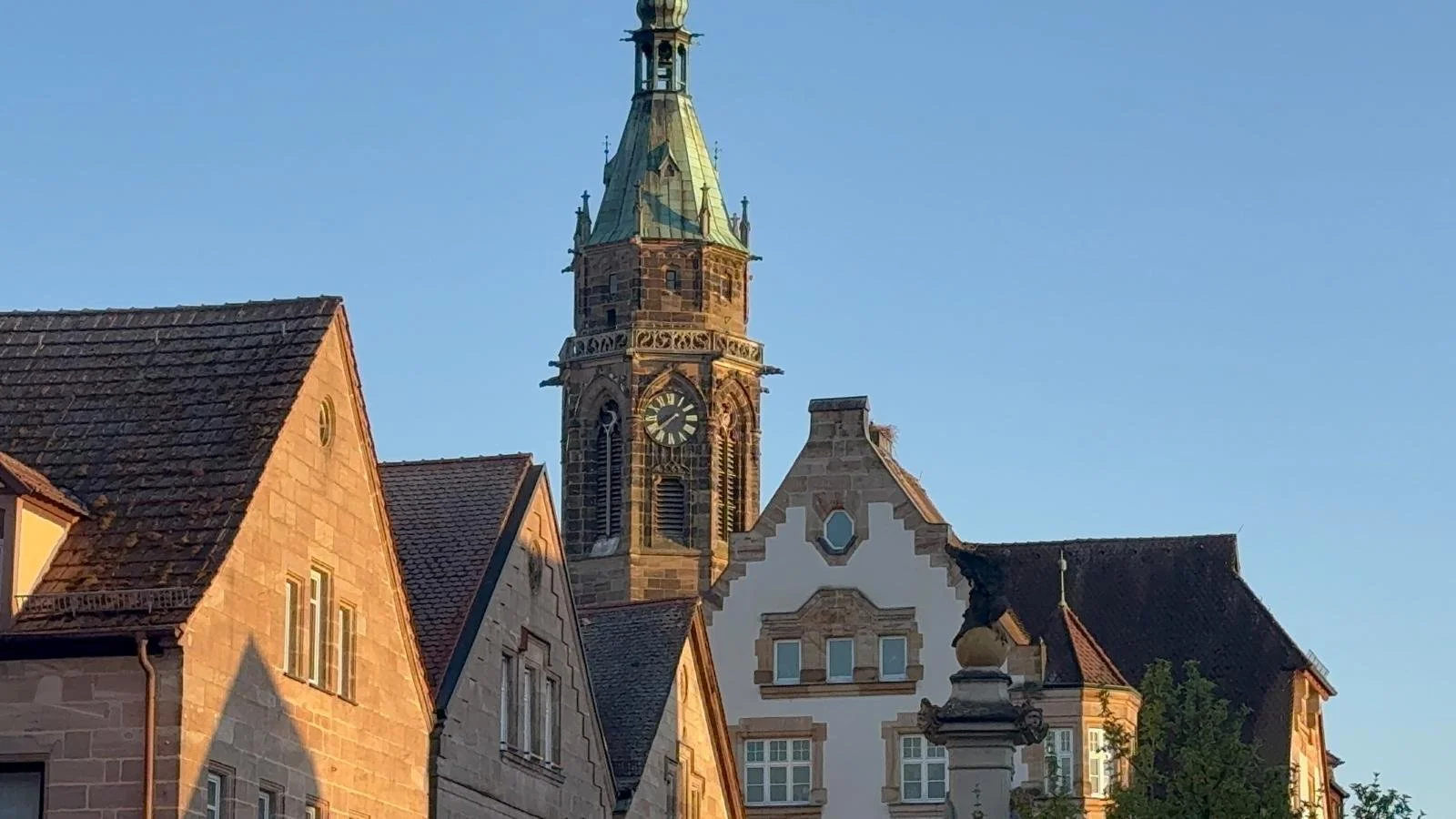
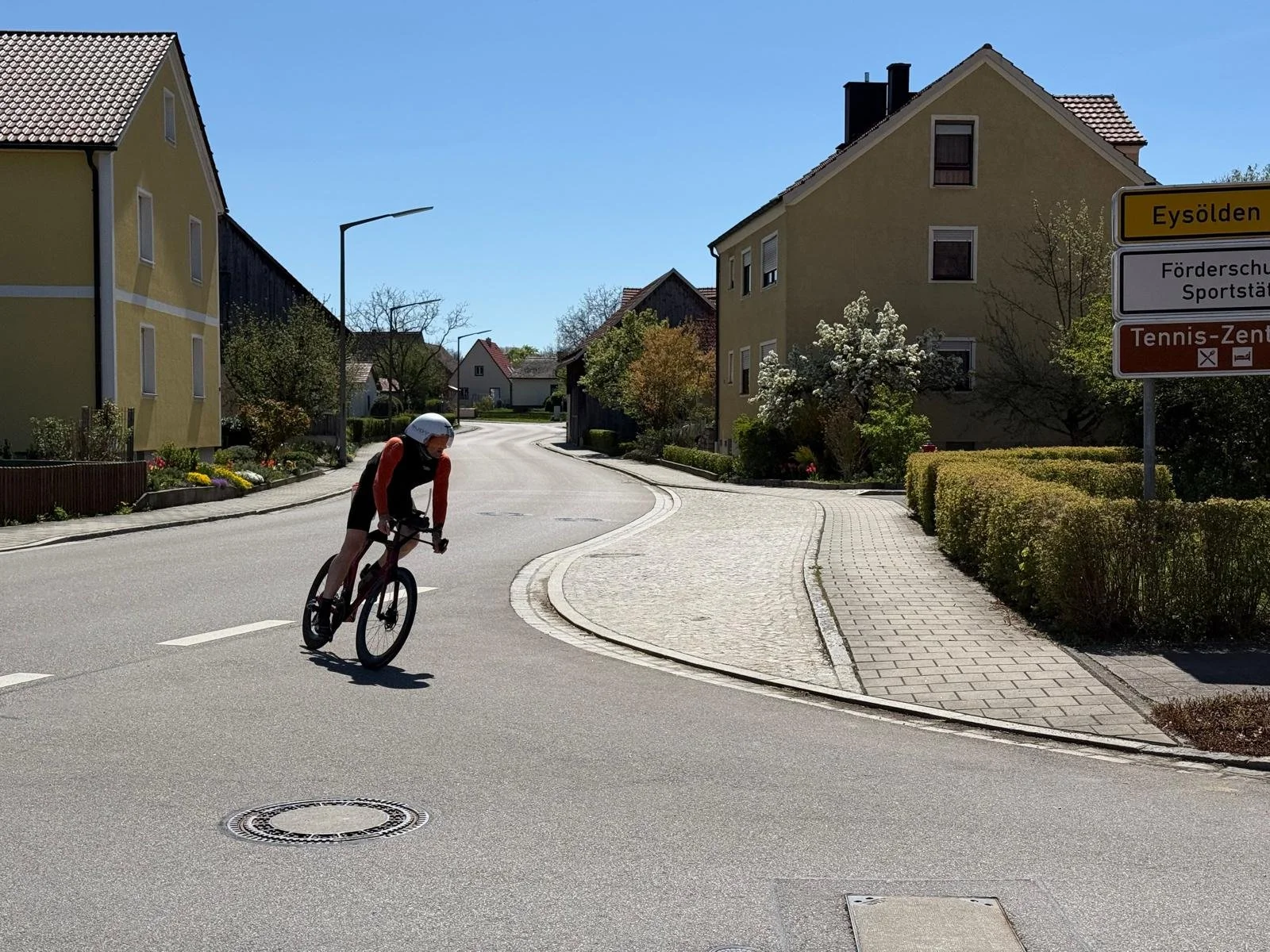
From riding sections like Solar Hill (where the crowds feel like the Tour de France) to running along the canal and through places like Buchenbach, knowing the course matters.
JP’s camp focused on:
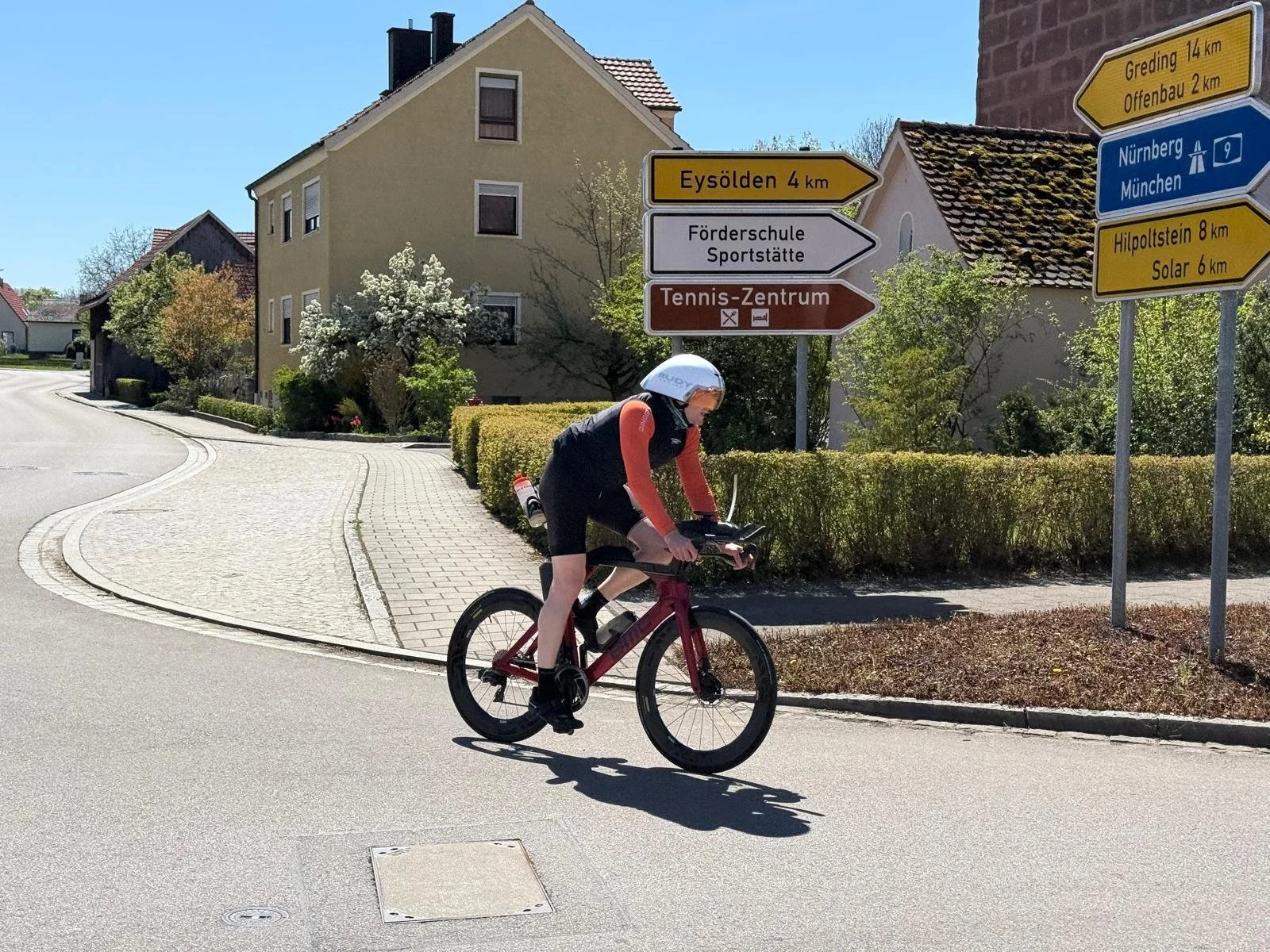
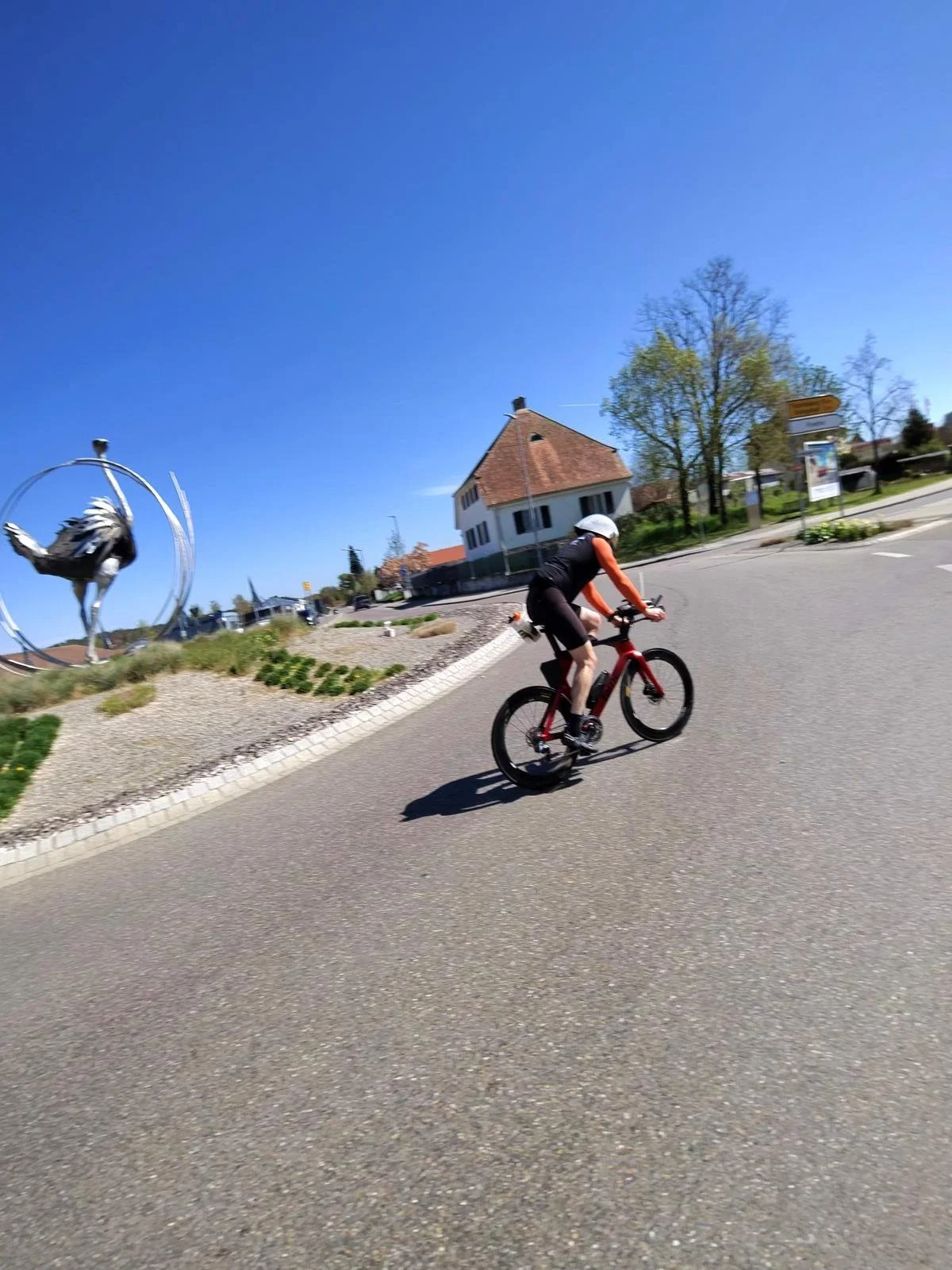
Riding key segments of the bike course (including long sustained efforts)
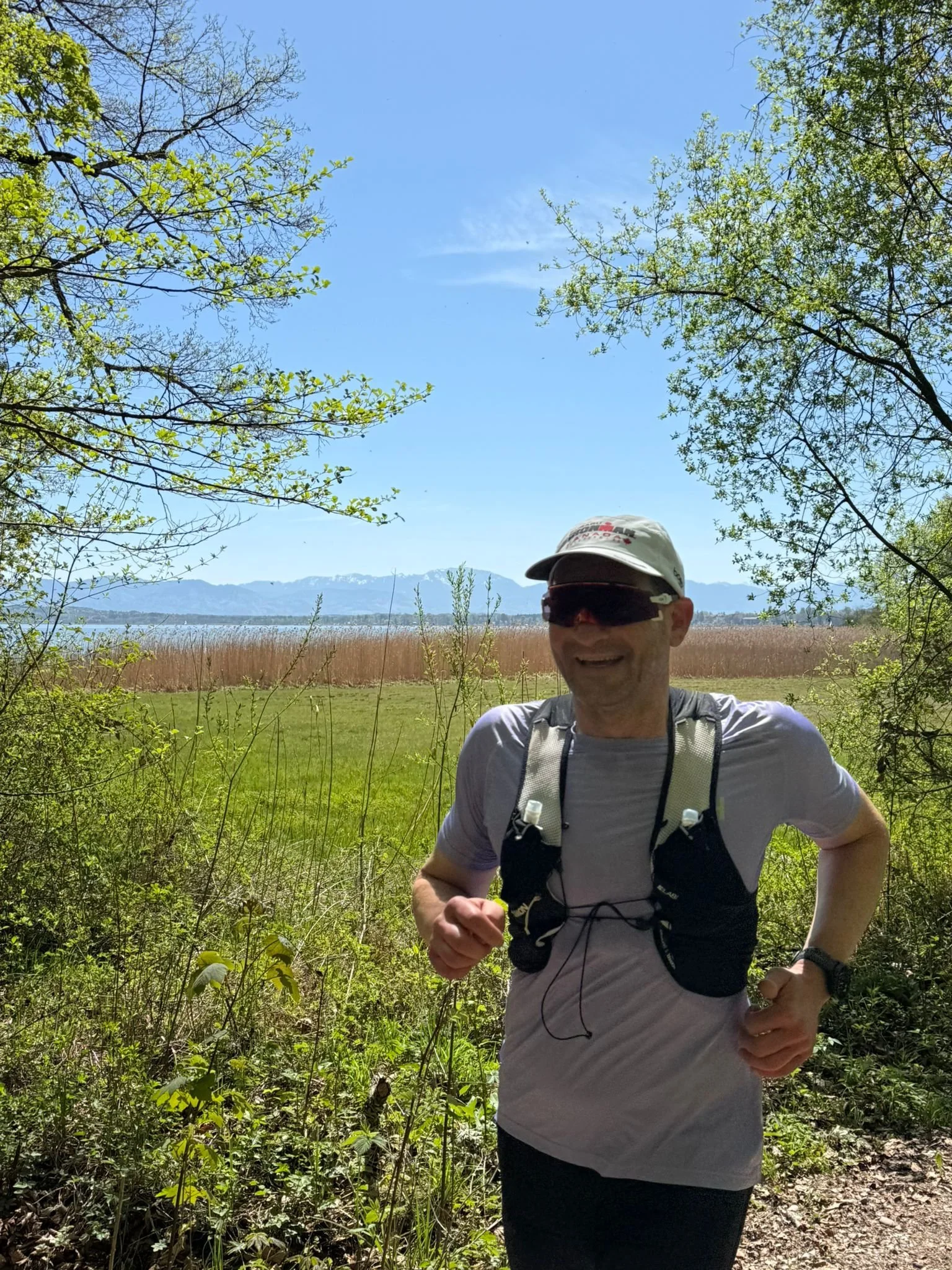
Running specific sections of the course—especially the final 10km
Practicing bike-to-run transitions on terrain that actually matters
This isn’t just about volume, it’s about familiarity and confidence.
Dial in Nutrition Before Race Day
Long-distance racing rewards precision.
JP used the camp to test a revised fueling strategy with:
Precision Hydration gels
Electrolyte intake adjustments
And the key takeaway? Don’t wait until race day to figure this out.
Training camp is the perfect time to:
Stress test your gut under fatigue
Adjust timing and dosage
Build confidence in your plan
Big Days Matter But So Does Flexibility
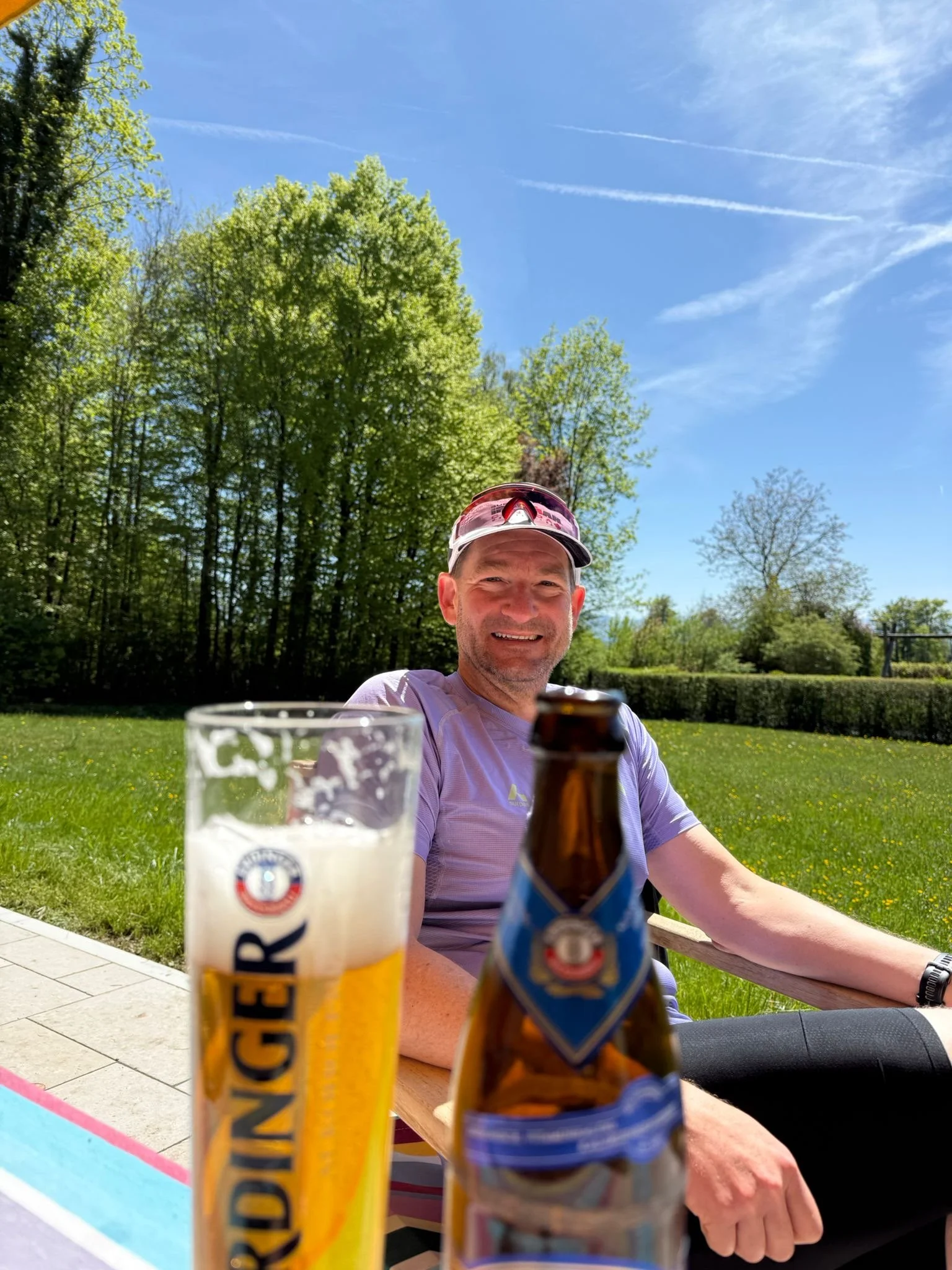
One of the biggest mistakes athletes make is forcing sessions instead of adapting. JP had a planned 170km ride + run, but adjusted based on fatigue and life (including, yes, a 60th birthday for a friend in Munich).
Instead, the approach shifted to:
One loop (~85km) with higher quality effort
A longer, more purposeful run off the bike
Leaving room for another key session later in the week
Final Thoughts: Preparation Builds Confidence
Roth rewards athletes who show up ready, not just fit.
JP’s camp highlights a few key principles:
Train specifically for the course
Test everything (especially nutrition)
Adapt when needed
Focus on quality over ego-driven volume
And maybe most importantly, confidence comes from doing the work on the roads and paths where race day will happen.